
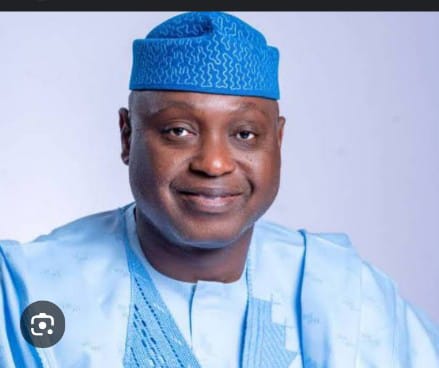
By Wole Adigun Oladimeji
Nigeria has long been described as Africa’s “sleeping tourism giant” a nation richly endowed with cultural diversity, dramatic landscapes, heritage depth, and youthful creative energy, yet still navigating structural challenges that have limited its full participation in mainstream international tourism.
In a recent international commentary published by eTurboNews and authored by Juergen Thomas Steinmetz, Ekiti State’s newly approved Tourism Development Master Plan (2025–2035) was examined as a possible signal of structured reform within Nigeria’s tourism landscape.
The article, titled “Nigeria’s Tourism Potential: Ekiti State Signals a New Path for a Country Still Shielded from Global Tourism,” situates Ekiti’s long-term tourism planning within the broader national conversation about unlocking Nigeria’s vast but underutilized tourism assets.
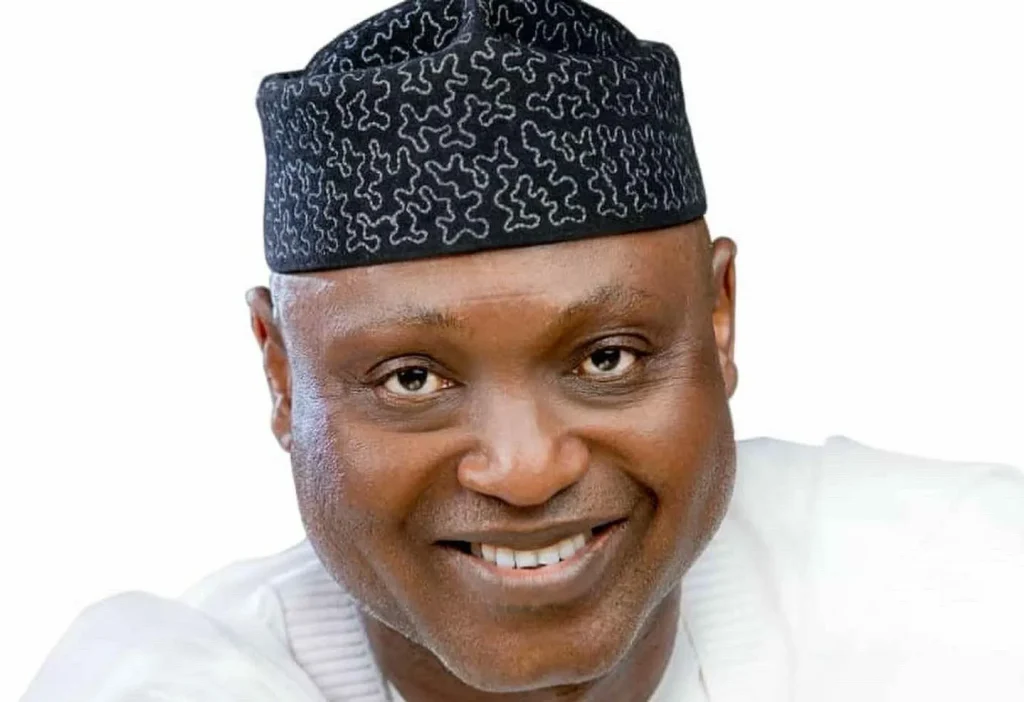
This development is not merely a media mention. It reflects growing international awareness of the deliberate shift occurring under the leadership of His Excellency, Governor Biodun Abayomi Oyebanji — a shift from episodic tourism promotion to structured tourism governance.
For decades, Nigeria’s tourism paradox has been well documented: extraordinary attractions but relatively low international visitor numbers. Analysts consistently point to structural barriers — safety perceptions, infrastructure deficits, fragmented branding, and policy inconsistency rather than a lack of destinations.
Against this backdrop, Ekiti’s approach represents a methodical recalibration.
At its first Executive Council meeting of 2026, the Ekiti State Government approved the implementation of a comprehensive Tourism Development Master Plan spanning ten years. This decision followed the establishment of a structured Tourism Policy framework, thereby ensuring that planning precedes promotion and governance anchors growth.

The significance lies in sequencing and sustainability. Tourism is not sustained by events alone; it thrives on integrated systems — transport access, hospitality standards, environmental stewardship, heritage preservation, security coordination, and consistent marketing.
The eTurboNews commentary highlights Ekiti’s emphasis on eco-tourism, cultural tourism, adventure travel, thematic tourism circuits, infrastructure gap closure, and alignment with international standards. It further suggests that if successfully implemented, Ekiti’s structured approach could serve as a blueprint for other Nigerian states.
Such recognition reinforces a broader truth: tourism reform is most credible when anchored in policy continuity and long-term planning.
However, a master plan is not an end; it is a beginning. Implementation discipline, stakeholder collaboration, private sector investment, and sustained public confidence will determine whether planning translates into measurable outcomes — employment generation, revenue growth, destination visibility, and improved visitor experience.
Nigeria’s tourism future will depend less on discovering new attractions and more on transforming existing assets into accessible, safe, professionally managed destinations. If state-level reforms such as Ekiti’s are executed with consistency, they may collectively reshape international perception and reposition the country within Africa’s competitive tourism ecosystem.
The international spotlight now shining on Ekiti’s reform agenda is therefore not a declaration of arrival. It is recognition of direction.
And in the governance of tourism, direction is the first evidence of seriousness.
This is what the Governor of Ekiti State H. E Biodun Abayomi Oyebanji has demonstrated and pushed into the front burner if global relevance
…..Wole Oladimeji former CPS to ex-Deputy House of Rep Speaker , Rt Hon Lasun Yusuf , is the publisher of African Gong Newspaper