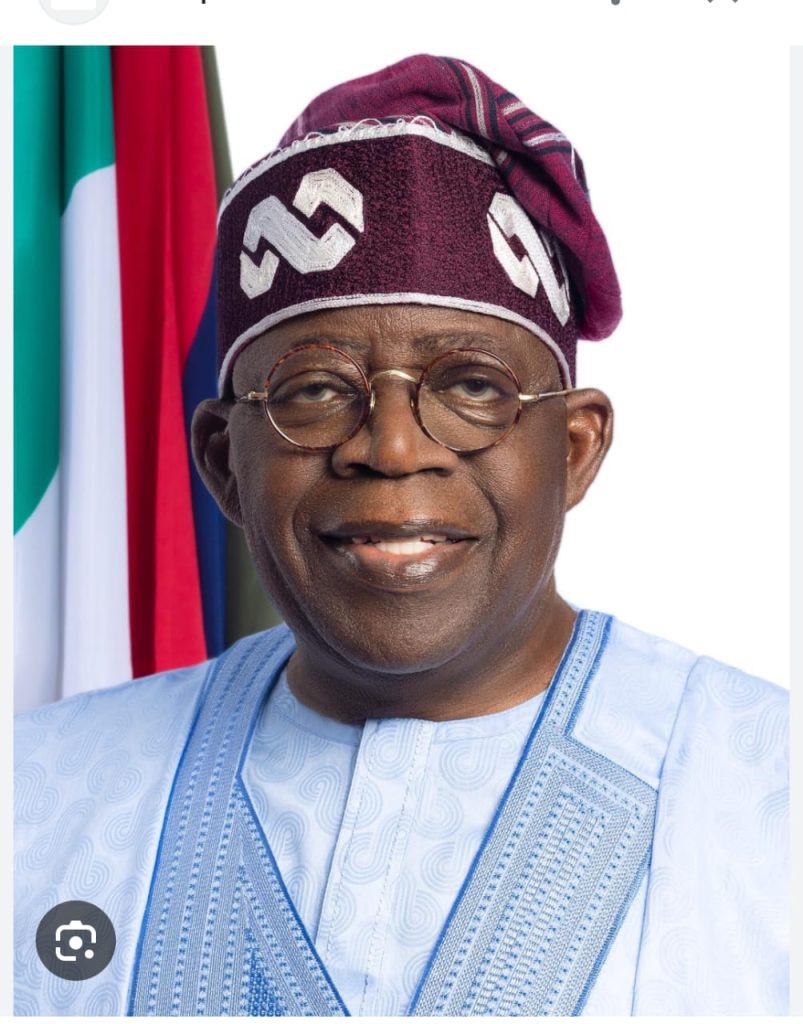
Tinubu has done it again!
Haaa!
This must not stand!
Walai talahi
That I am a Yoruba does not matter
But I should say the truth abi ?
If the occasion warrants
I should not shut my mouth
And this is why I am out with this
I know some of you will ask for my occiput
But I don’t care
Why would he appoint a “mere junior officer” as Inspector-General of Police when “a senior” is standing there, fully decorated, fully experienced, fully… senior?
Noooooo! We shall not gree this time around!
Where are the stones? Where are the cudgels? Who is holding the megaphone?
Shall we begin to march?
Biko
Oya
Shall we storm Aso Rock?
Igbo kwenu nnm!
.. However , let’s Calm down
Before we convert outrage into national exercise, before we sharpen our cutlasses of emotion, let us attempt something radical in Nigeria
Let us think!
The loud argument is simple: a junior officer was appointed over seniors; therefore, the President has done something wrong.
It sounds persuasive until we ask one stubborn question: wrong by what law?
Section 215(1)(a) of the Constitution of the Federal Republic of Nigeria, 1999 (as amended), vests the power to appoint the Inspector-General of Police in the President, acting on advice as provided by law. The Nigeria Police Act 2020 outlines eligibility and procedure. Nowhere — absolutely nowhere — does it say the most senior officer must automatically become IGP.
Not must. Not shall. Not by force of outrage.
There is a difference between promotion and appointment. Promotion follows hierarchy. Appointment to the office of IGP is strategic and constitutional. The President carries executive responsibility for national security under Section 5 of the Constitution. If insecurity rises, Nigerians will not blame “the senior officer that was bypassed.” They will blame the President.
So how do you hold a man responsible for security outcomes and still deny him the discretion to choose who will execute his security vision?
That is not law. That is contradiction.
Nigeria itself has never operated rigidly on “first come, first served” in strategic appointments. When President Olusegun Obasanjo appointed Nuhu Ribadu to head the EFCC, Ribadu was not the most senior officer in the system. Yet that so-called junior officer redefined anti-corruption enforcement in Nigeria. Across administrations, service chiefs have been selected based on competence, reform capacity, trust, and alignment not mere chronological ranking.
Even outside government, we do not practice robotic succession. In universities, the most senior professor does not automatically become Vice-Chancellor. In corporate Nigeria, the longest-serving executive is not automatically Managing Director. Leadership selection everywhere serious is strategic, not sentimental.
So why must policing leadership suddenly become arithmetic?
Some will shout again: “But it is political!”
Of course it is political — in the governance sense. Security leadership must align with the elected government’s policy direction. An IGP must share the President’s security philosophy and command executive confidence. A President must appoint someone he believes can germinate, internalise, and execute his vision before sending him on the mission of securing the nation.
Seniority gives eligibility. It does not give entitlement. Public service does not confer ownership of public office.
The real question is not: who is the most senior?
The real question is: who can best execute Nigeria’s policing mandate at this moment under the President’s constitutional responsibility?
Until someone can point to a constitutional violation , not a bruised hierarchy the cry of “Tinubu is wrong! Let’s sack him!” remains noise in search of law.
Before we carry stones, let us carry the Constitution.
Pick sense.
Drop emotion.
Embrace the truth.
Stop being sentimental. Pick rationality.
Sack him ko.
Commend him ni, sirs.
God bless President Bola Ahmed Tinubu.
God bless Nigeria.
By Wale Ojo-Lanre
Usi Ekiti