
By Wilson Uche Ugwu – Vice President, South East, FTAN
A new cultural awakening is unfolding in Igboland, driven by the vibrant energy of Aba Fashion Week. Once known primarily for its manufacturing prowess and entrepreneurial spirit, Aba is now repositioning itself as a cradle of fashion innovation—where creativity, identity, and craftsmanship converge to shape a new Igbo fashion renaissance. What we are witnessing is far more than an event; it is a movement redefining the future of Igbo cultural expression.
1. Reclaiming Cultural Identity Through Fashion
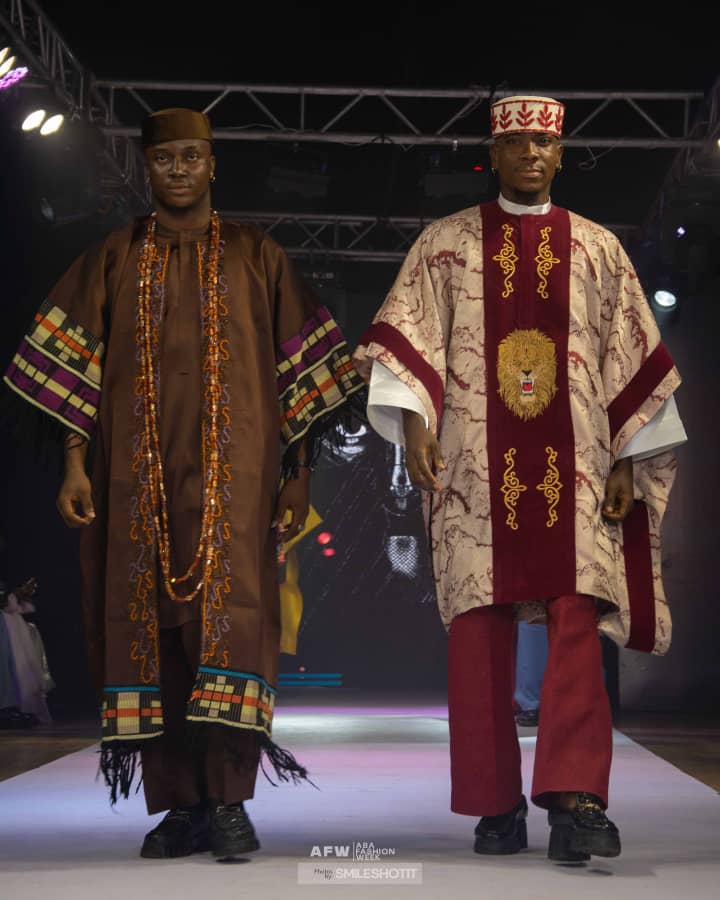
A central feature of this renaissance is a bold reimagining of Igbo heritage through clothing. Designers are drawing inspiration from George fabrics, Isiagu motifs, Ogbunike-inspired beadwork, and traditional symbols—infusing them with contemporary cuts, silhouettes, and aesthetics. This blend of tradition and modernity affirms a powerful truth: culture evolves, and fashion is one of its most expressive tools.
2. Showcasing Local Talent and Creativity
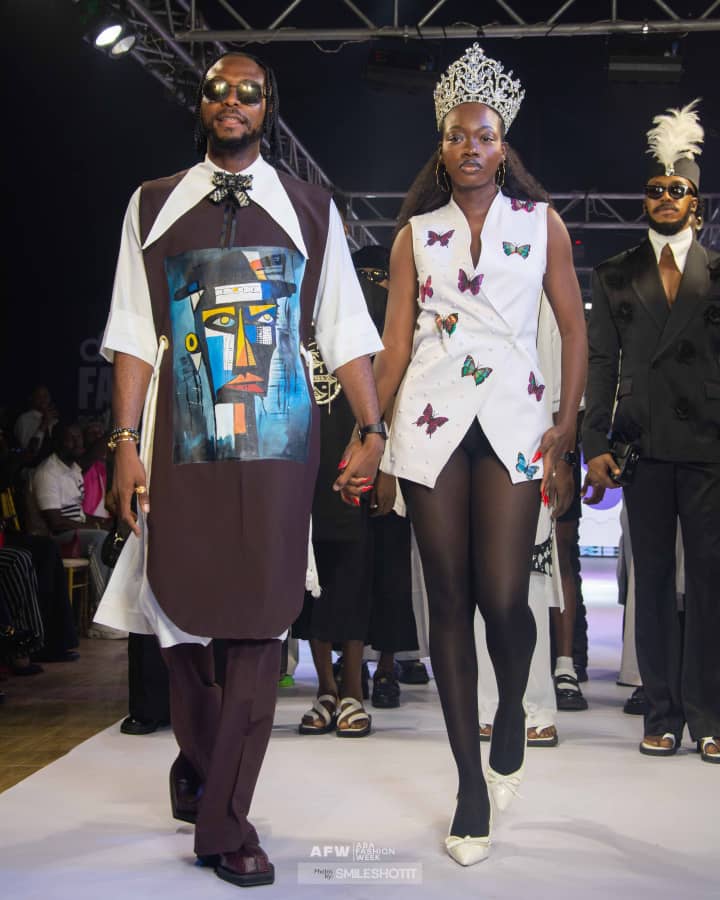
Aba has long been synonymous with ingenuity, particularly its famous “Aba-made” industry. Aba Fashion Week offers structure, visibility, and validation to this creativity. Young designers, tailors, shoemakers, and accessory makers take the spotlight, demonstrating quality, originality, and confidence. The event affirms that local talent can not only meet but exceed global fashion standards.
3. Economic Empowerment and Industry Growth
Beyond cultural expression, the emerging fashion renaissance has tangible economic benefits. Fashion stimulates job creation across multiple value chains—fabric merchants, pattern makers, models, photographers, and digital creatives all benefit. By providing exposure and networking opportunities, Aba Fashion Week positions designers to attract investment, forge partnerships, and expand their market reach, strengthening the southeast’s creative economy.

4. Globalization and Cultural Diplomacy
Thanks to social media, photography, and international participation, Igbo fashion is increasingly visible on global platforms. Aba Fashion Week now plays a role in cultural diplomacy—using fashion to present stories of identity, heritage, and innovation to the world. It strengthens global perceptions of Igbo creativity as bold, sophisticated, and deeply rooted in cultural authenticity.
5. Inspiring the Next Generation
Perhaps the most profound outcome is inspiration. Young people are beginning to view fashion not only as a cultural identifier but also as a viable professional pathway. With rising designers gaining recognition, more youths are entering fields like modelling, styling, fashion branding, textile innovation, and creative entrepreneurship. The renaissance is reshaping aspiration across the region.
Addressing Criticism and Misinterpretation: Lessons for Growth
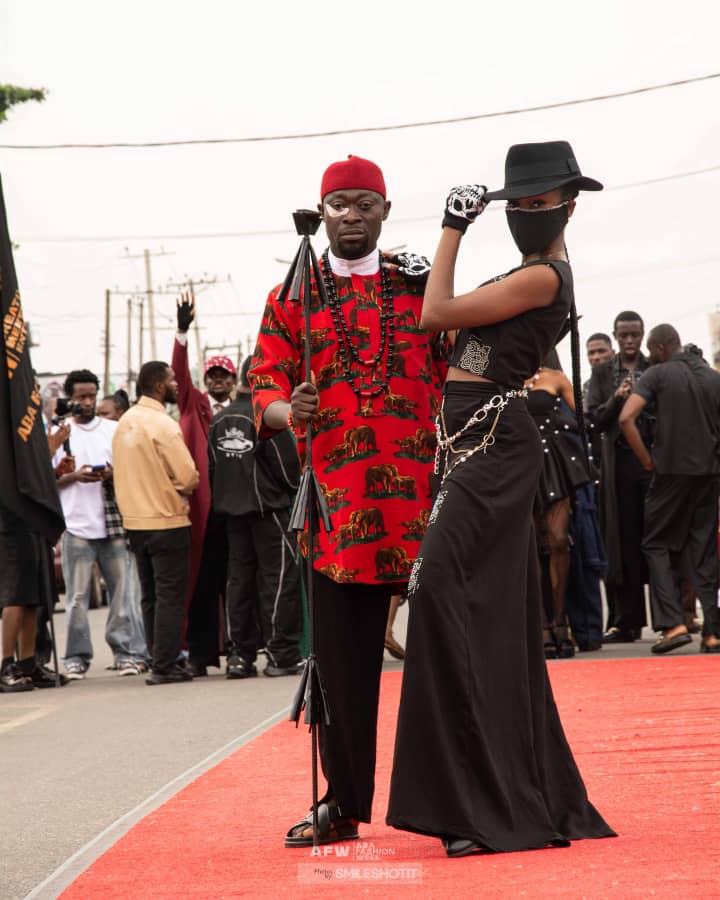
The latest edition of Aba Fashion Week sparked conversations and criticism—ranging from concerns about organizational lapses to questions about the artistic direction of some presentations. These reactions reveal growth areas, not reasons to abandon the vision. Stronger storytelling, refined coordination, and clearer creative framing can significantly elevate future editions.
Some critics expressed discomfort over visuals they believed projected narratives outside the event’s intended cultural scope, including perceived LGBT expressions. It is essential to clarify that Aba Fashion Week is rooted in the celebration of Igbo culture, craftsmanship, and artistic excellence—not in promoting external social identities.
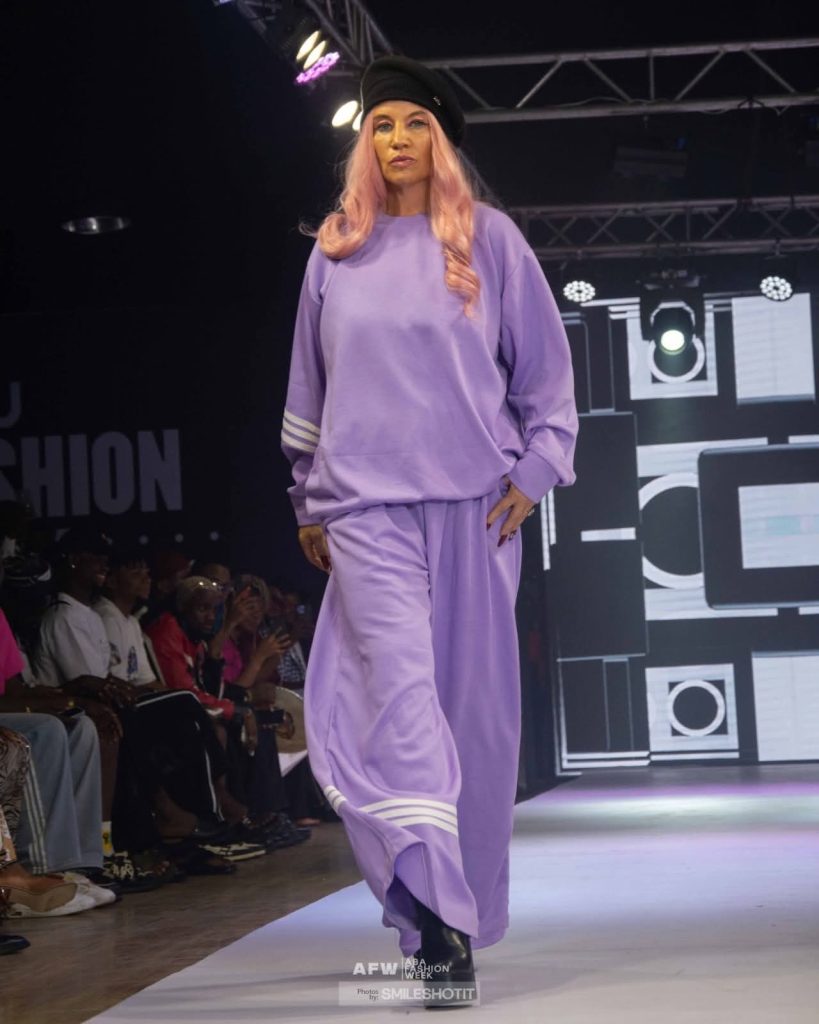
Such misunderstandings are not uncommon. Even global fashion capitals experience them. Paris Fashion Week recently faced backlash for presentations that some observers felt distorted religious or social symbols. These controversies highlight a universal truth: fashion is inherently bold, experimental, and open to interpretation. Creative expression often takes risks, and bold visuals can easily be misread.
In Aba’s case, what appeared to some as intentional messaging may simply have been avant-garde styling, runway theatrics, or attempts to reflect global fashion trends. Emerging designers frequently experiment with unconventional aesthetics without intending deeper social statements.
These reactions underscore the need for stronger context and curation. As the event grows, clearer communication, deliberate artistic direction, and intentional interpretation guides will help strengthen public understanding. The commitment remains unwavering: to elevate Igbo creativity in ways that honour its values, protect its cultural essence, and highlight its enduring beauty.
6. Looking Ahead: On the Threshold of a Cultural Renaissance
What is happening across Igboland transcends fashion. It is a broader cultural reawakening—an embrace of identity, a revival of indigenous artistry, and a renewed confidence in Igbo innovation. From the resurgence of local weaving in Enugu to the rise of contemporary Igbo streetwear brands gaining viral attention, each creative endeavour contributes to a larger narrative of pride and reinvention.
The criticisms following Aba Fashion Week should serve as constructive input for refinement. The vision is strong, timely, and culturally necessary. With improved organization, stronger partnerships, and intentional creative direction, future editions will better reflect the richness and depth of Igbo heritage.
As these enhancements take shape, the cultural renaissance emerging across Igboland will grow stronger, more cohesive, and more influential—ushering in a new era of identity, creativity, and global recognition.