By Frank Meke
Lagos has always been Nigeria’s cultural tourism melting pot. It has never been lucky to get tourism appointees with guts to interpret and push its huge opportunities to a world looking for where tourism offerings are done differently.
From its transformative infrastructural renewals, roads, rail and waterway models intervention, Lagos basks on golden liveability opportunities, seen but lacking on structured tourism marketing gameplan.
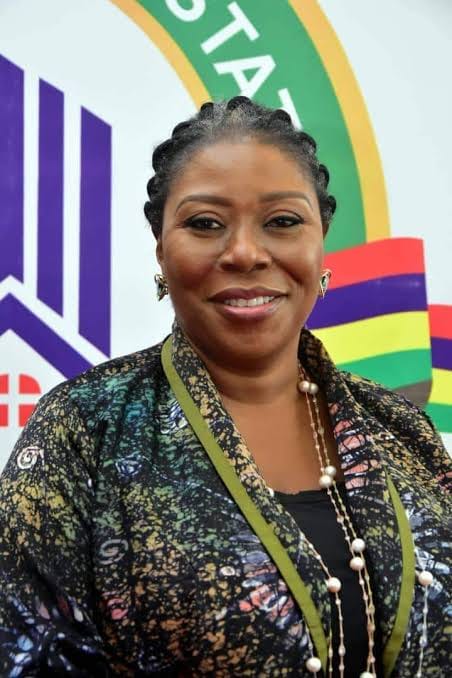
Governor Babajide Sanwo-Olu no doubt remains the best tourism care giver in Nigeria apart from Akwa Ibom State governor. But the truth remains that he has aides who are more interested in themselves and their face values than turning the city into the most visited place on continental Africa.
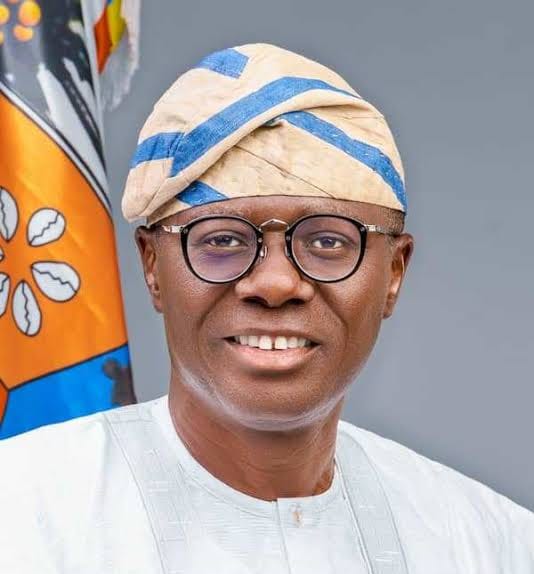
Tokunbo Afikuyomi and Folarin Coker brought about some flashes. But their governors were one foot away, not throwing whole financial log into the high return economy unlike Sanwo-Olu who broke the banks to fund cultural tourism and related economy and to which his drivers in Toke Benson-Awoyinka and Idris Aregbe held back full throttle in marketing and promotion.
Indeed both aides worked at cross purposes, making caricatures of often mouthed industry collaboration and partnership narratives. It’s an understatement to describe the relationship between the duo as hatefully cordial. Theirs is a testament on mutual separative shenanigans, divisive and poisonous to the welfare of their workforce and the state tourism operational agenda.
Politics is around the corner. So what gains has the huge budget releases brought to change voters perspective from the window of industry?
While other sub economies such as the maritime sector has mobilised the sectorial players to come out in great numbers to support the incoming governor, Dr. Hamzat, the grave yard silence and non existent interest from the tourism and hospitality players in the state, tells how these Sanwo-Olu tourism aides failed to appreciate those who trusted them to deliver.
That silence is the verdict. That silence is the jinx.
THE MONEY LAGOS IS LEAVING ON THE TABLE
Let us talk numbers, NOT EKO FOR SHOW!
In 2024, Lagos tourism and entertainment generated N111.5 billion during Detty December, with hotels contributing about N54 billion and short-let apartments N21 billion from roughly 1.2 million visitors.
In 2025, it tripled. Lagos recorded N396.54 billion in consumer spending during the 55-day Detty December season, with 3.6 million participants. Hospitality and accommodation led at N175.4 billion or 44.2 percent. Entertainment and nightlife followed at N129.5 billion or 32.7 percent. Food and dining accounted for N51.2 billion. Fashion and retail for N36.6 billion.
Diaspora visitors were only 11 percent of participants, but accounted for roughly 55 percent of everything spent. One person in every nine accounted for more than half of the money.
This is what one season does. Imagine what a full year of structured marketing would do.
Globally, music tourism alone was valued at approximately USD 102 billion in 2024 and forecasted to surge to USD 400.5 billion by 2032. Lagos is the home of Afrobeats. Lagos is the home of Detty December. Lagos is the home of the sound the world now dances to.
Yet Lagos has no year-round tourism calendar with teeth. No global booking system. No destination marketing organisation that the world respects. No Lagos Tourism Board that sells Lagos like Visit Dubai sells Dubai, like Visit Rwanda sells Rwanda, like Ghana sells December in GH.
Detty December proves Lagos can earn. The other 11 months prove Lagos cannot plan.
If Lagos properly marketed its culture tourism — Badagry slave route, Epe fish festival, Eyo festival, Lekki Conservation Centre, Tarkwa Bay, Nike Art Gallery, Freedom Park, National Museum, its bustling but dirty markets — if it cleaned them, packaged them, priced them, and sold them, Lagos would not be begging for IGR. Lagos would be printing it.
Analysts say Detty December alone already contributes over 4 percent to Nigeria’s GDP. Lagos contributes over $259 billion to Nigeria’s GDP, roughly a third of the national total. Imagine if tourism was run like a business, not like a ministry for photo-ops.
Lagos tourism can be great. It can be a source of huge financial returns to state coffers apart from creating jobs, opening up new opportunities and turning its bustling but dirty markets into must places to visit.
But it is not great. Because those appointed to make it great made it about themselves.
THE SUPREME COURT GAVE LAGOS POWER AND SHE WASTED IT.
Here is the most painful part. The jinx is not spiritual. It is administrative.
On 19th July 2013, the Supreme Court unanimously declared that only a State House of Assembly can make laws on tourism or licensing and grading of hotels, restaurants, fast food outlets and other hospitality establishments.
The Court validated the Lagos State Hotel Occupancy and Restaurants Consumption Tax Law and the Hotel Licensing Law. It said the National Assembly could only regulate tourist traffic, not hotel registration or licensing.
Lagos won. Lagos won big. Lagos won what no other state had the courage to fight for.
What did Lagos do with that victory?
Nothing structural. Nothing lasting. Nothing global.
Instead, Lagos allowed an unlicensed hospitality and tourism trade environment to fester. A process that has disadvantaged the state facilities in global ranking ecosystem.
The figures are shameful. Out of over 3,000 hotels operating in the state, only 350 had fulfilled their registration requirement as at 2014. Only 50 hotels had been fully classified. Out of 2,518 hotels, facility or event centres, only 1,202 were complying with Hotel Occupancy Law. 1,316 failed to comply.
Lagos said it lost close to N4 billion in revenue to illegal regulation by NTDC in six years. But how much has Lagos lost to its own failure to license, grade, and enforce since 2013?
You cannot rank what you do not register. You cannot market what you do not grade. You cannot sell to the world what you cannot certify.
Global hotel development rankings, global tourism competitiveness index, global booking platforms — they all run on data. Verified data. Licensed data. Graded data. Lagos has no clean data because Lagos has no clean register.
A tourist in London searching for a Lagos hotel sees chaos. A tourist in New York searching for a Lagos tour sees no standard. An investor in Dubai searching for Lagos hospitality sees litigation, not regulation.
And litigation has continued.
Thirteen years after the Supreme Court spoke, Lagos is still in court over the same question. Why? Because Lagos never built the institution to enforce its own victory.
The Supreme Court gave Lagos the advantage. Lagos aides turned advantage into anarchy.
A PEOPLE-DRIVEN SECTOR, FAR FROM THE PEOPLE
Tourism is a people-driven sector. It is the only sector where the market woman is the product. Where the fisherman is the attraction. Where the drummer is the economy. Where the food seller is the brand.
Yet Lagos tourism is far from the people.
The aides do not win the confidence of industry players. They do not win votes. They do not win trust. They win headlines.
They talk partnership. They practise division. They talk collaboration. They practise exclusion. They talk marketing. They practise self-marketing.
The workforce is demoralised. The operators are ignored. The hoteliers are in court. The tour operators are on their own. The travel writers are unpaid. The cultural troupes are unfunded.
How can a sector that lives on people be run by people who do not like people?
This is the sociopolitical failure. Tourism should be the easiest vote-winner for any governor. Every hotel worker is a voter. Every tour guide is a voter. Every beach operator is a voter. Every restaurant worker is a voter. Every market woman who sells to tourists is a voter.
But Sanwo-Olu’s tourism aides could not convert budget to votes. Could not convert festivals to followership. Could not convert Detty December to political capital. Could not mobilise one industry rally for Hamzat, while maritime did it in great numbers.
That is not jinx. That is incompetence dressed as jinx.
A WARNING TO THE INCOMING GOVERNOR
Dr. Hamzat, take note.
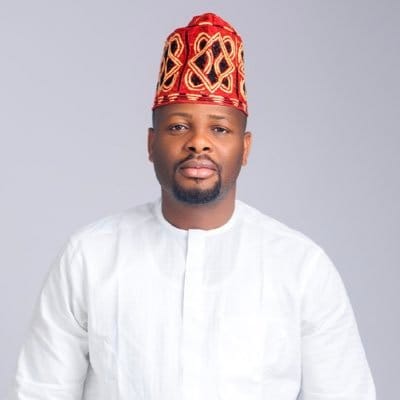
As you prepare to take over the reins of one of Africa’s biggest economies, be careful in your appointment of tourism and culture aides.
Do not appoint face-value aides. Do not appoint social media aides. Do not appoint aides who hate each other. Do not appoint aides who fight industry.
Appoint policy administrators who can win the confidence of industry players and votes. Appoint people who understand that tourism is not event, tourism is economy. Tourism is not December, tourism is 365 days. Tourism is not Lagos Island, tourism is Badagry to Epe to Ikorodu to Ikeja.
The next Commissioner for Tourism must do three things in 100 days:
1. Clean the Register. Publish the full list of licensed hotels, restaurants, tour operators. Publish the list of unlicensed. Enforce. Grade. Classify. Give Lagos a database the world can trust.
2. Build a Marketing Machine. Not a ministry. A destination marketing organisation. With budget. With data. With global partnerships. Sell Lagos in London, in New York, in Dubai, in Johannesburg, in Accra. Sell Eyo. Sell Badagry. Sell Afrobeats. Sell food. Sell fashion.
3. Bring the People In. Create a Tourism Stakeholders Council with real power. Not a photo-op council. Let NANTA, NATOP, ANJET, tour guides, hoteliers, market women, sit at the table. Let them own the agenda. Let them mobilise votes because they were mobilised first.
If you appoint wrongly again, Lagos tourism will remain jinxed. Not by spirits. By politics.
If you appoint rightly, Lagos will become what it was always meant to be: the most visited place in Africa. The cultural capital of the continent. The city where the world comes to eat, to dance, to learn, to spend.
Lagos is not jinxed by God. Lagos is jinxed by its tourism and culture appointees.
Break the jinx. Appoint right. We are waiting and watching.